

Uncovering the Rich History of Costa Rica: A Comprehensive Look at Its Key Facts and Milestones

Costa Rica is more than just a beautiful destination. It tells a compelling story of resilience and innovation. Nestled between the Caribbean Sea and the Pacific Ocean, this vibrant country has a rich history that has shaped its culture and identity over centuries. From ancient indigenous civilizations to a modern democratic republic, each chapter of Costa Rica's past reflects a unique journey. This post explores significant milestones and key facts that define The Rich History of Costa Rica
The Indigenous Peoples The Rich History of Costa Rica
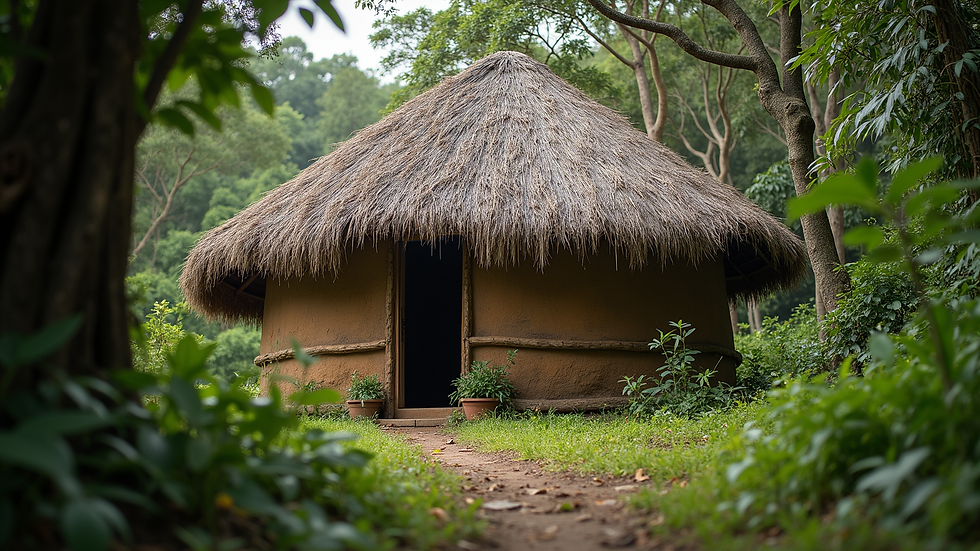
Before European explorers arrived, Costa Rica was inhabited by several indigenous groups, including the Boruca, Bribri, and Cabécar. These tribes had distinct cultures and languages, contributing immensely to the region's identity.
The indigenous peoples were adept agriculturalists, utilizing the land in sustainable ways. For example, the Bribri cultivated banana, maize, and cacao, reflecting their deep understanding of the environment. This connection to the land has had a lasting impact that is still visible today, with many communities continuing to celebrate their heritage through traditional farming practices and cultural events.
European Contact and Colonization
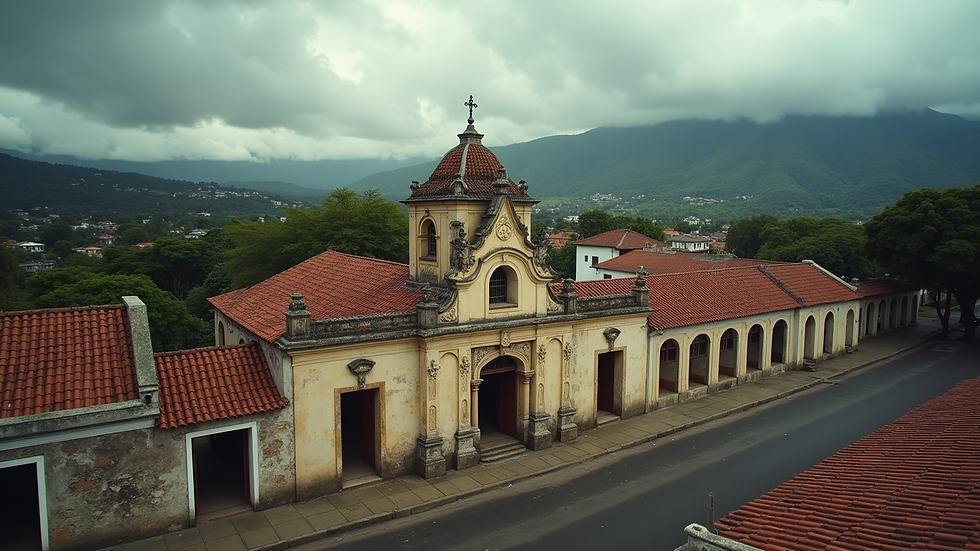
Christopher Columbus first arrived in Costa Rica in 1502 during his fourth voyage to the New World. This marked the beginning of European influence in the region, which was met with resistance from local tribes. By 1563, the Spanish had established the city of Cartago, heralding a new era of colonization.
Despite its natural beauty, Costa Rica was not the prime destination for settlers, who often favored wealthier lands like Mexico and Peru. However, this isolation allowed the area to develop a unique colonial identity. The blending of Spanish traditions with indigenous practices laid the foundation for Costa Rican culture, evident in the country's traditional foods, music, and social customs.
The Fight for Independence
Costa Rica's push for independence was part of a broader wave of movements across Latin America. On September 15, 1821, Costa Rica, along with other Central American nations, declared independence from Spanish rule. This moment was critical, as it laid the groundwork for self-governance.
Initially, Costa Rica joined the Mexican Empire and later became part of the United Provinces of Central America, which dissolved in the late 1830s. Establishing the Republic of Costa Rica in 1848 was pivotal, as it introduced a democratic system with strong citizen participation, contributing to the country’s political stability.
The Coffee Boom and Economic Development
The 19th century witnessed a transformative period known as the "Coffee Boom." By the late 1800s, coffee became Costa Rica's primary export, driving economic growth. The country exported almost 1.5 million 60-kilogram bags of coffee in 2022, illustrating its significance in the global market.
This agricultural boom not only improved infrastructure—such as roads and railways—but also gave rise to a powerful middle class. Citizens started demanding greater political representation, encouraging social change and fostering a political climate supportive of democracy—elements that still define Costa Rica today.
The Abolition of the Army
In 1948, Costa Rica made a groundbreaking choice to abolish its army, positioning itself as one of the few countries globally to do so. This decision followed a short but impactful civil war, prompting national reflection on priorities, with a focus on peace rather than conflict.
The resources previously allocated to military spending were redirected towards education, healthcare, and social programs. As a result, Costa Rica enjoys high levels of education, with literacy rates exceeding 97%. This commitment to peace and stability has turned Costa Rica into a model for non-violence, attracting both tourists and international praise for its diplomatic efforts and dedication to environmental conservation.
Environmental Stewardship and Ecotourism
Costa Rica’s rich biodiversity makes it a leader in environmental sustainability. Since the late 20th century, the country has actively embraced ecotourism, recognizing its natural beauty as an economic asset.
Over 25% of Costa Rica's territory is designated as protected areas, highlighting its commitment to conservation. The nation is home to more than 500,000 species, making it one of the most biodiverse regions in the world. This focus on sustainability not only protects the environment but also creates jobs in eco-friendly tourism, fostering local economies and promoting respect for natural ecosystems.
A Lasting Legacy
Costa Rica's history is woven from the threads of indigenous culture, colonial influences, independence struggles, and a steadfast commitment to peace and environmental sustainability. From ancient tribes to today’s eco-conscious society, every chapter of Costa Rica's journey contributes to its unique identity.
As the country thrives as a stable and ecological steward, understanding its historical context is vital for appreciating its current achievements. Costa Rica's legacy serves as a source of inspiration for those seeking to balance development with environmental care. By examining its milestones, future generations can learn invaluable lessons from Costa Rica's rich historical narrative.


Comments